Spooky Ghost Teacher Embroidery Review
As an embroidery designer who spends weekends hunched over my hoop and weekdays analyzing market trends, I have a specific set of criteria for what makes a design a craft fair product winner. It is not just about how the file looks on a screen; it is about how it performs under the harsh lights of a convention center, how it photographs for your online store, and whether it feels like a premium handmade product to the customer holding it. Today, I am reviewing the Spooky Ghost Teacher machine embroidery design, evaluating its potential for Halloween season sales.
First Impressions: The Visual Hook
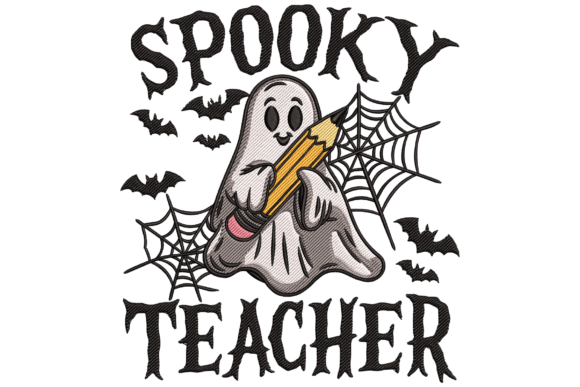
The title Spooky Ghost Teacher immediately suggests a blend of whimsy and seasonal theme. For a Halloween collection, this design hits the sweet spot between cute and festive without being overly aggressive or scary. In my experience, designs that lean too heavily into "spooky" often limit their buyer pool, whereas a playful ghost character appeals to parents, teachers, and students alike. This embroidery file likely features clean lines and recognizable iconography, which is crucial for catching the eye of a passerby at a busy market.
When I first look at the digital preview, I am assessing the balance of negative space and stitch density. A good machine embroidery design needs enough detail to look intricate but not so much that it becomes muddy when stitched. If the ghost has expressive eyes or holds a classic teacher prop like an apple or a chalkboard, it adds narrative value. This storytelling aspect is what transforms a simple piece of fabric into a finished product with emotional resonance. Customers do not just buy a tote bag; they buy into the identity of the "cool teacher" or the fun holiday spirit.
Product Application and Versatility
The true test of any digital embroidery file is its versatility across different substrates. For the upcoming craft fair season, I am planning a booth display featuring a variety of items. Here is how the Spooky Ghost Teacher design translates to key categories:
- Tote Bag Design: Canvas totes are the bread and butter of handmade markets. This design works beautifully as a centered chest placement or a large focal point on the front panel. The contrast of white or pastel thread against natural canvas will make the ghost pop, creating a high-visibility item that draws traffic to your table.
- Apron Embroidery: Kitchen aprons are a staple gift item. Placing the design on the bib area offers a professional look. However, you must consider the curvature of the neck and the width of the straps. A well-balanced composition ensures the design does not get lost in the folds of the fabric during use.
- Tea Towel Embroidery: Linen or cotton tea towels provide a smooth surface that showcases stitch density well. This design could serve as a charming accent near the hem or border. It feels homey and giftable, perfect for teachers looking for small tokens of appreciation.
- Embroidered Patch: Creating a detachable patch allows customers to customize their own backpacks or hats. This adds perceived value to your offering, as you are providing a versatile accessory rather than just a single-use item.
- Caps and Headwear: Structured caps require careful attention to curve and placement. The design must be scaled appropriately to fit within the standard hoop size constraints while remaining legible from a distance.
Production Practicality for Small Business Owners
For the Etsy seller or small shop product owner, efficiency is money. A complex design with hundreds of color changes slows down production and increases the risk of errors. I evaluate whether a design is repeatable for batch production. If the Spooky Ghost Teacher uses a limited palette of thread colors, it reduces inventory costs and simplifies the threading process.
Photography is another critical factor. A design that relies on subtle shading may lose impact in flat-lay photos. Bold outlines and distinct shapes photograph better, ensuring your printable mockup accurately represents the final result. When customers see clear, crisp details in your listing images, trust increases, leading to higher conversion rates. The visual appeal of the design directly impacts the perceived quality of your brand consistency.
Careful Use Notes and Technical Considerations
Before committing to a full run of commercial embroidery products, there are several technical hurdles to clear. Not all fabrics behave the same way, and ignoring these variables can lead to customer returns.
- Stitch Density and Fabric Texture: Check the stitch density of the design. If it is too dense for lightweight tea towels, the fabric may pucker. Conversely, if it is too sparse on heavy canvas, it may lack definition. Always inspect how the design interacts with the fabric texture. Rough weaves can obscure fine details, so ensure the main elements of the ghost are robust enough to remain visible.
- Thread Contrast: On dark fabrics, light threads are essential for visibility. If you plan to use colored backgrounds, verify that the chosen thread colors provide sufficient contrast. Low contrast designs look muddy and cheap, undermining the premium feel of your handmade goods.
- Stabilizer Selection: Using the right stabilizer is non-negotiable. Cut-away stabilizers are generally preferred for garments and frequently washed items like aprons to prevent distortion. Tear-away stabilizers work well for temporary applications like patches but may leave residue if not removed carefully.
- Scaling and Clarity: Be cautious when resizing. Tiny details, such as small lettering or facial features, can disappear if the design is scaled down too much. Confirm the minimum viable size for clarity before marketing it as a small accent design.
Final Verdict for Craft Fair Success
The Spooky Ghost Teacher design shows strong potential for the Halloween market. Its thematic relevance combined with a likely playful aesthetic makes it suitable for a wide range of buyers. By testing the design on scrap fabric, checking spacing, and confirming commercial licensing, you can mitigate risks and maximize profit.
I recommend starting with a small batch of high-demand items like tote bags and aprons to gauge interest. Create at least one real mockup to assess the physical quality. If the design holds up well in person and photographs clearly, it can become a standout item in your booth display. Remember, the goal is to create design assets that not only look good but also solve a problem or bring joy to the user. With careful execution, this design can contribute significantly to your seasonal revenue.
Always remember to check the specific file details, such as exact stitch count and compatible formats, before beginning production. By treating every handmade product with professional rigor, you build a reputation for quality that keeps customers coming back year after year.