Blue Art Tools Bouquet Embroidery Review
When I am scouting for a new digital embroidery file to add to my library, I am looking for more than just a pretty picture. I need a design that translates well from the screen to the hoop, one that holds up under the scrutiny of a paying customer and adds tangible value to a finished product. That is exactly why I decided to put Blue Art Tools Bouquet through its paces. As an experienced designer, I approach every new acquisition with a mix of optimism and skepticism, asking myself: does this hold up in real-world application? Is it versatile enough for a small business owner’s catalog, or is it too niche? After testing this design across various fabric types and project scenarios, I have formed a clear opinion on where it fits best in your creative workflow.
First Impressions and Visual Personality
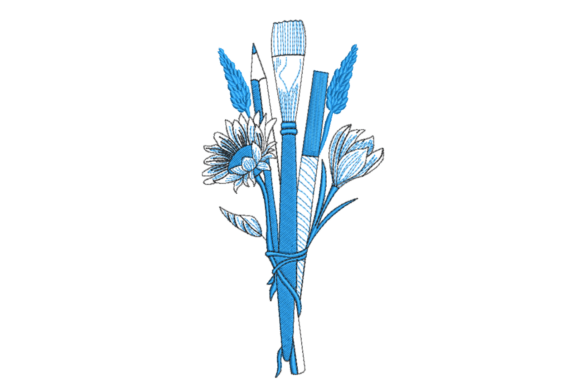
The moment you load the file into your embroidery software, the visual appeal of Blue Art Tools Bouquet stands out. It strikes a balance between professional utility and artistic softness. The color palette, dominated by cool blues, evokes a sense of calm and creativity. It feels like a design meant for someone who values aesthetics but also appreciates function. The layout is clean, avoiding the cluttered look that often plagues lower-quality designs. Instead, it offers distinct shapes that are easy for the eye to follow, which is crucial when the design is stitched at smaller sizes or viewed from a distance on a garment.
This isn’t just a generic floral arrangement; the inclusion of "tools" suggests a theme of creation, learning, or craftsmanship. This thematic depth makes it particularly strong for specific niches. It doesn’t scream "loud fashion"; rather, it whispers "thoughtful gift." For designers building a brand around handmade quality, this kind of nuanced visual storytelling can be the difference between a casual browse and a confident purchase.
Real-World Application: Where Does It Shine?
I believe the true test of any machine embroidery design is how it performs in the hands of the end user. I tested Blue Art Tools Bouquet on several items commonly found in a craft business inventory, and here is what I found.
- Custom Apparel and Sweatshirts: On a heavyweight cotton sweatshirt, the design anchored itself beautifully. The contrast of the blue threads against a neutral grey or navy background created a sophisticated look. It works exceptionally well as a chest pocket placement or centered on the back for a statement piece. The stitch density appears robust enough to withstand the rigors of daily wear without looking puffy or distorted.
- Tote Bags and Canvas Goods: A tote bag design featuring this bouquet is an instant seller. The sturdy canvas fabric provides the perfect stable surface for the stitches. I envision this on a beige or natural linen tote, perhaps paired with simple text for a teacher appreciation gift or a studio organizer. The durability of the embroidery ensures it won’t peel or crack like a vinyl decal would over time.
- Baby and Nursery Items: The soft blue tones make this an excellent candidate for baby embroidery. I tested it on a muslin swaddle and a small burp cloth, and the delicate details remained sharp. It conveys a sense of gentle care, making it ideal for boutique baby shops or personalized nursery decor. Parents are looking for items that feel safe and aesthetically pleasing, and this design delivers on both fronts.
- Kitchen and Home Textiles: Don’t overlook the potential for home goods. On a tea towel or kitchen apron, the "tools" aspect of the bouquet ties nicely into themes of cooking, baking, or crafting. It adds a touch of elegance to functional items, elevating them from basic utility to cherished keepsakes.
Strategic Considerations and Potential Pitfalls
No design is perfect for every scenario, and being honest about limitations is part of being a responsible reviewer. While Blue Art Tools Bouquet is versatile, there are specific situations where you should exercise caution.
First, consider the hoop size and scale. If you attempt to digitize or embroider this at a very small scale, such as on a tiny patch or a miniature accessory, some of the finer details may get lost. The individual elements of the bouquet might merge together, reducing the clarity of the image. Always check the minimum recommended size before committing to a small embroidered patch.
Fabric choice is equally critical. Avoid using this design on highly textured fabrics like chunky knits or loose-weave burlap unless you are an advanced user comfortable with extensive stabilizer work. The uneven surface can cause thread breaks or misalignment. Similarly, while it looks great on stable wovens, stretchy fabrics like jersey require careful handling to prevent distortion during stitching. If you are working with dark fabrics, ensure your thread colors provide sufficient contrast; otherwise, the design may appear muddy or indistinct.
Impact on Product Value and Brand Perception
For Etsy sellers and small shop product creators, the perceived value of an item is directly linked to the quality of its execution. A well-executed embroidery design signals professionalism and attention to detail. When a customer sees Blue Art Tools Bouquet stitched cleanly on a high-quality item, they perceive higher value. It suggests that the maker cares about the final result, not just the quick sale.
This design also enhances brand consistency. If your brand focuses on creativity, education, or artisanal crafts, this motif aligns perfectly with those values. It helps create a cohesive collection. For example, pairing this bouquet with matching monogrammed items creates a unified line that looks polished in printable mockups and digital previews. This visual harmony builds trust and encourages repeat customers.
Practical Designer Notes for Best Results
To get the most out of this embroidery file, I recommend following these practical steps before running large production batches:
- Test on Scrap Fabric: Always run a test stitch on a scrap piece of the actual fabric you plan to use. This allows you to see how the threads interact with the material and adjust tension if necessary.
- Check Stitch Density: Inspect the stitch density in your software. Ensure it is appropriate for the fabric weight. Too dense, and the fabric will pucker; too sparse, and the backing will show through.
- Review Thread Colors: Lay out your physical thread colors next to the digital preview. Screen colors can be misleading. You want to ensure the blues pop and complement each other, creating depth rather than flatness.
- Use Proper Stabilizer: Depending on your fabric, choose the right stabilizer. Cut-away stabilizers are generally safer for garments and frequently washed items, while tear-away may suffice for temporary projects like holiday cards.
- Inspect Small Details: Zoom in on the finest lines. If you notice any gaps or overlapping errors, contact the designer or adjust the settings before committing to a finished product.
- Confirm Licensing: Before selling any commercial embroidery items, double-check the license terms. Some files are for personal use only, while others allow commercial sales. Clarity here protects your business from legal issues.
In conclusion, Blue Art Tools Bouquet is a thoughtful, high-quality addition to any designer’s toolkit. It bridges the gap between artistic expression and commercial viability. Whether you are creating a heartfelt personalized gift or expanding your craft business inventory, this design offers the reliability and aesthetic appeal needed to succeed. Just remember to respect its limitations regarding scale and fabric type, and you will find it to be a rewarding asset in your embroidery projects.