Rooster Modern Cross Stitch Pattern Review
As a designer who spends half the day sketching and the other half troubleshooting stitch density, I don’t just look at an embroidery design; I look at how it will behave on fabric. When Rooster Modern Cross Stitch Pattern landed in my inbox, my first thought wasn’t about aesthetics alone—it was about application. Could this actually work for a real project? Would it hold up in a small business context? After spending some time analyzing the layout, color palette, and structural integrity of the file, here is my honest breakdown of what makes this pattern tick and where it fits best in your workflow.
The First Impression: Bold but Balanced
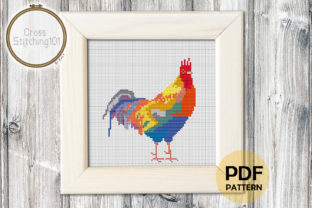
The moment you open the PDF, the visual personality of the Rooster Modern Cross Stitch Pattern hits you. It isn’t trying to be a hyper-realistic portrait of a barnyard bird, nor is it so abstract that it loses its identity. Instead, it strikes that sweet spot many designers struggle to find: modern graphic simplicity with enough detail to feel handmade and premium. The shape is clean, the lines are decisive, and the overall composition feels confident. This matters because when a customer buys a handmade product, they are buying into that sense of confidence. A wobbly or overly complex design can look amateurish quickly, whereas this pattern has a polished, editorial vibe that translates well to physical goods.
The mood created by the design is warm yet contemporary. It feels like something you’d see in a boutique home goods store or on a curated Etsy shop banner. For those of us creating custom apparel or nursery decor, this kind of aesthetic is gold. It bridges the gap between traditional craft and modern interior design, making it versatile enough for a variety of target audiences.
Real-World Application: From Screen to Stitch
Let’s talk about how this performs when we move from digital preview to finished product. I recently considered using a design like this for a line of custom aprons for a local bakery client. The challenge with apron designs is often scale and placement. You need something that reads clearly from a distance but doesn’t overwhelm the wearer. The dimensions provided—65 W x 73 H on 14 count fabric—suggest a compact footprint. At approximately 4.64 x 5.21 inches, this size is perfect for chest placements on sweatshirts, left-side pockets on tote bags, or centered on kitchen towels.
Imagine this embroidered on a heavy canvas tote bag. The contrast of the thread against the textured fabric would highlight the geometric nature of the rooster. However, if you were to stretch this onto a large sweatshirt back, it might get lost unless scaled up significantly, which risks losing the fine details. This is why understanding the hoop size and final dimensions is critical before you start stitching. The design works best as an accent piece rather than a statement centerpiece, which actually increases its commercial viability. It’s a supporting actor, not the lead, which means it pairs beautifully with typography or other simple motifs.
Where to Be Careful: Fabric and Finish
No design is universal, and Rooster Modern Cross Stitch Pattern has specific constraints that every embroiderer should respect. First, consider the fabric texture. Because this is a cross-stitch style design, it relies on the grid of the fabric to create its shape. If you attempt this on a highly textured linen or a slubby cotton, the precision of the lines may blur, turning a crisp graphic into a muddy blob. Stick to even-weave fabrics or smooth cottons like Aida or high-quality quilting cotton to maintain clarity.
Another area requiring caution is dark fabric. The pattern utilizes 34 DMC colors, which suggests a rich palette, but without knowing the exact distribution of light vs. dark threads, placing this on black fabric could result in low contrast. Always test your thread choices against your chosen background. If you are using this for embroidered patches or caps, be mindful of curved surfaces. Small details in the corners of the design might distort if the hoop tension isn’t perfectly managed or if the stabilizer isn’t robust enough.
Furthermore, think about durability. If this design is going on a baby onesie or a frequently washed tea towel, check the stitch density. While the description doesn’t specify machine compatibility, manual cross-stitch patterns often involve long running stitches that can snag. If you are digitizing this or converting it for machine use, ensure that the stabilizer choice matches the fabric weight to prevent puckering. Puckering kills the professional look of any finished product.
Design Notes for the Serious Maker
Before you commit to a production run or list this as a small shop product, there are a few technical steps you must take. Do not skip the scrap fabric test. Cut a swatch of your intended material, hooping it exactly as you would the final item, and run a test stitch. This allows you to inspect small details and confirm that the thread colors pop as expected.
I also recommend reviewing the design in black and white mockups. Sometimes, a design looks vibrant in color but lacks sufficient tonal contrast to read well in monochrome. This is especially important for printable mockups used in marketing. If the design needs to sell itself through a thumbnail image, clarity is key. Additionally, compare light and dark fabric backgrounds digitally before committing to physical samples. This saves money on thread and fabric waste.
Licensing is another non-negotiable. While the product is sold as an instant download, you must verify whether the license permits commercial use for Etsy sellers or craft business owners. Some digital files are for personal use only. If you plan to sell the finished items, ensure you have the right to do so. Also, check if the file includes instructions for both hand and machine embroidery, as the techniques differ significantly in terms of stitch density and finish quality.
Final Verdict: A Solid Asset for Your Library
Rooster Modern Cross Stitch Pattern is not just another clipart image; it is a functional design asset with clear commercial potential. Its modern aesthetic makes it suitable for a wide range of products, from personalized gifts to holiday embroidery collections. The key to success lies in execution. Choose your fabric wisely, manage your tension, and respect the scale of the design. When done correctly, this pattern can elevate a simple tote bag into a boutique-worthy item or add a charming touch to a nursery wall hanging.
For designers looking to expand their Graphics category offerings, this pattern fills a niche for modern, rustic-chic imagery. It appeals to customers who want the warmth of handmade crafts but the polish of contemporary design. Just remember to always test before you sell. Verify the machine embroidery design parameters if you are converting it, and ensure your digital embroidery file is optimized for your specific equipment. With careful preparation, this rooster is ready to strut onto your next best-selling project.